
Mandera County, located in the northeastern region of Kenya, has a predominantly arid and semi-arid climate, with an average annual rainfall of less than 500mm. Despite these harsh weather conditions, the county has been able to cultivate several valuable crops that have contributed to the region’s economic growth. In this article, we will discuss some of the valuable crops grown in Mandera County, their significant facts, and why they thrive in the region.
Maize:
Maize is one of the essential crops grown in Mandera County. The crop is grown in small quantities by small-scale farmers and serves as a staple food for the region’s inhabitants. Although maize requires adequate rainfall to thrive, it has adapted to the county’s semi-arid conditions, thanks to improved seed varieties and modern farming techniques.
Sorghum:
Sorghum is another important crop grown in Mandera County. It is a drought-resistant crop that can grow well in arid and semi-arid regions with minimal rainfall. Sorghum has a wide range of uses, including food, animal feed, and biofuel production. The crop is highly valued for its nutritional content and ability to withstand harsh weather conditions.
Millet:
Millet is a staple food crop grown in Mandera County. It is highly drought-resistant and can grow in poor soils, making it an ideal crop for the region’s arid and semi-arid conditions. Millet is highly nutritious and is used to prepare various dishes, including porridge, bread, and cakes.
Cowpeas:
Cowpeas are a legume crop that is highly valued in Mandera County. They are an excellent source of protein and are used to prepare various traditional dishes. Cowpeas require minimal rainfall and can grow well in the region’s dry conditions. They are also used as animal feed, making them an essential crop for both food and economic security.
Watermelon:
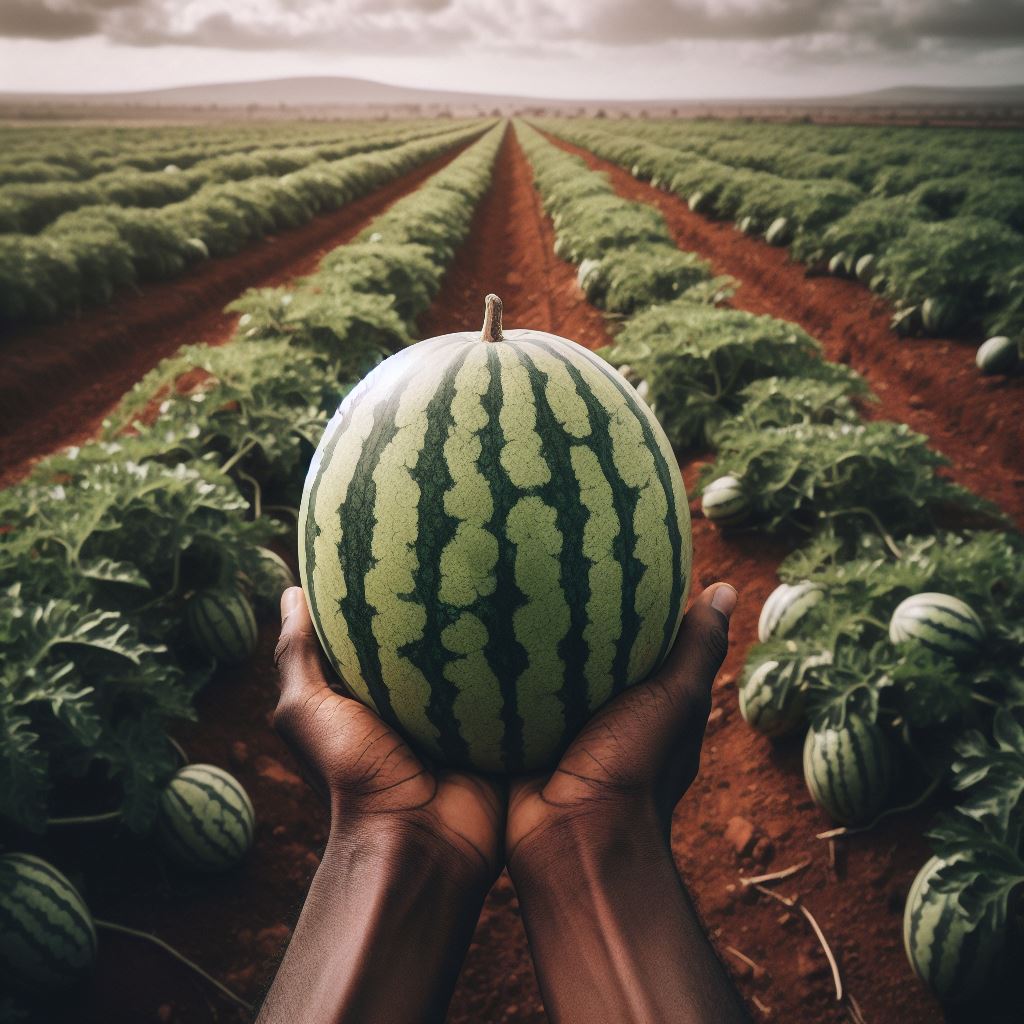
Watermelon is a valuable cash crop grown in Mandera County. Although it requires adequate rainfall, modern farming techniques have made it possible to grow watermelon in the region. The crop is highly valued for its nutritional content and is a significant source of income for small-scale farmers in the region.
Potential crops that can do well in the region but are rarely grown include sesame, sunflower, and hibiscus. Sesame and sunflower are oilseed crops that can grow well in the region’s dry conditions, while hibiscus is a medicinal crop that can thrive in the region’s hot and dry climate. These crops have the potential to boost the region’s economic growth and provide farmers with alternative sources of income.
Mandera County’s arid and semi-arid climate has not deterred small-scale farmers from growing valuable crops that contribute to the region’s economic growth. Maize, sorghum, millet, cowpeas, and watermelon are some of the essential crops grown in the region. These crops have adapted to the county’s harsh weather conditions and have become a source of food and income for small-scale farmers. Sesame, sunflower, and hibiscus are potential crops that can do well in the region and provide farmers with alternative sources of income.

